

The journey of gambling a historical overview of its evolution
The Origins of Gambling
The history of gambling can be traced back to ancient civilizations where games of chance were a significant part of social and cultural practices. Archaeological evidence reveals that the Chinese were playing rudimentary forms of gambling as early as 2300 BC, using wooden sticks and dice. Similarly, ancient Egyptians engaged in games that involved betting on the outcomes of various events, including the famous Game of Senet. As more players discover the platform, it’s becoming quite popular, which is why you might want to visit https://slotsnogamstop.co.uk/review/betfoxx/ for insights on the latest trends.
As societies evolved, so did gambling. The Romans embraced games of chance, with public betting on gladiatorial contests becoming popular. This laid the groundwork for the integration of gambling into social life, making it not just a pastime, but also a source of revenue for various empires.
The Middle Ages and the Rise of Lotteries
During the Middle Ages, gambling practices began to formalize, particularly in Europe. This period saw the emergence of lotteries, which were initially used to fund public projects such as building bridges and roads. Lotteries became popular in various European countries, providing an early model of organized gambling that involved government oversight.
However, this era also faced challenges, as gambling was often associated with moral decay. Many governments attempted to regulate or ban gambling activities, reflecting societal concerns. Despite these efforts, gambling continued to thrive in underground venues, demonstrating its resilience and popularity among the masses.
The Birth of Modern Casinos
The late 17th and early 18th centuries marked a significant turning point in the evolution of gambling with the establishment of formal casinos. The first recognized casino, the Casino di Venezia, opened its doors in Italy in 1638. This development introduced a new level of sophistication to gambling, attracting the elite and fostering a culture of luxury around gaming.
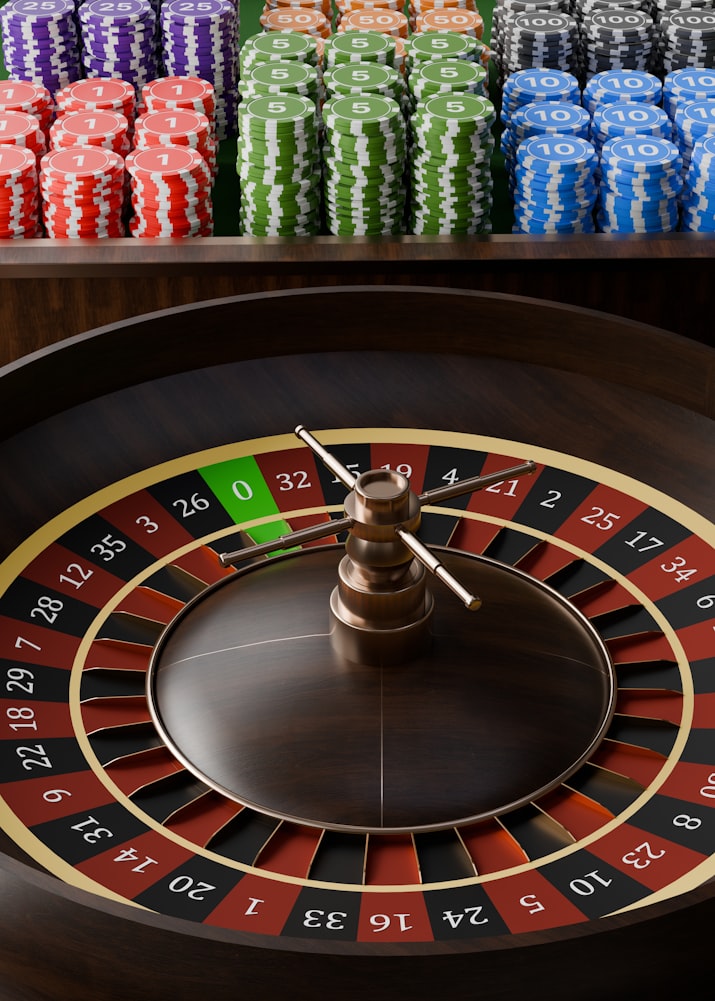
As casinos proliferated throughout Europe, they began offering a variety of games, from card games to roulette. The allure of glamour and chance drew players from all walks of life, leading to the establishment of gambling as a significant industry. The success of these establishments laid the groundwork for what would later become the modern gambling landscape.
The Global Expansion of Gambling
The 20th century witnessed the global expansion of gambling, driven by technological advancements and changing social attitudes. The introduction of slot machines and video gaming transformed the gambling experience, making it more accessible to the masses. The post-World War II era saw the emergence of Las Vegas as the gambling capital of the world, setting the stage for a new era in the gaming industry.
As gambling became more mainstream, various forms of betting, including sports betting and online gambling, gained popularity. Countries around the world began to regulate gambling more effectively, balancing the need for consumer protection with the economic benefits of a thriving gaming industry.

Modern Gambling and Online Platforms
In recent years, the rise of the internet has revolutionized the gambling landscape. Online casinos, like BetFoxx, have made it possible for players to enjoy a wide array of games from the comfort of their homes. These platforms offer not only convenience but also a vast selection of games, attractive bonuses, and 24/7 customer support, catering to both seasoned gamblers and newcomers alike.
BetFoxx stands out in this competitive market, providing a user-friendly interface and a commitment to player safety and fair play. With its licensing and regulation, players can enjoy a seamless gambling experience, embracing the modern evolution of this age-old pastime. The journey of gambling continues as technology and social trends shape its future, promising new innovations and experiences for generations to come.